

Your foot is on the brake. The car accelerates anyway. That moment, whether it lasted three seconds or thirty, changes how you think about the vehicle sitting in your driveway. Sudden unintended acceleration (SUA) is not a myth, not a driver error, and not something you imagined.
It is a documented defect pattern that has triggered federal investigations, manufacturer recalls, and lemon law claims across Texas. If it happened to you more than once, the question is not whether something went wrong. The question is whether your manufacturer has a legal obligation to make it right.
Key Takeaways:
- The Texas Lemon Law applies to sudden unintended acceleration when the defect has been subject to repair attempts that failed to fix it within the statutory period.
- The Texas Department of Motor Vehicles administers the lemon law process, and cases can be resolved through a state hearing without filing a civil lawsuit.
- SUA can stem from electronic throttle control failure, floor mat entrapment, brake override system gaps, or software errors, all of which manufacturers have acknowledged in past recalls.
- Federal NHTSA complaints tied to your vehicle model strengthen a Texas lemon law claim significantly.
- You do not have to prove the car is dangerous to qualify, only that the defect substantially impairs its use, value, or safety.
What Sudden Unintended Acceleration Actually Looks Like in a Lemon Law Claim
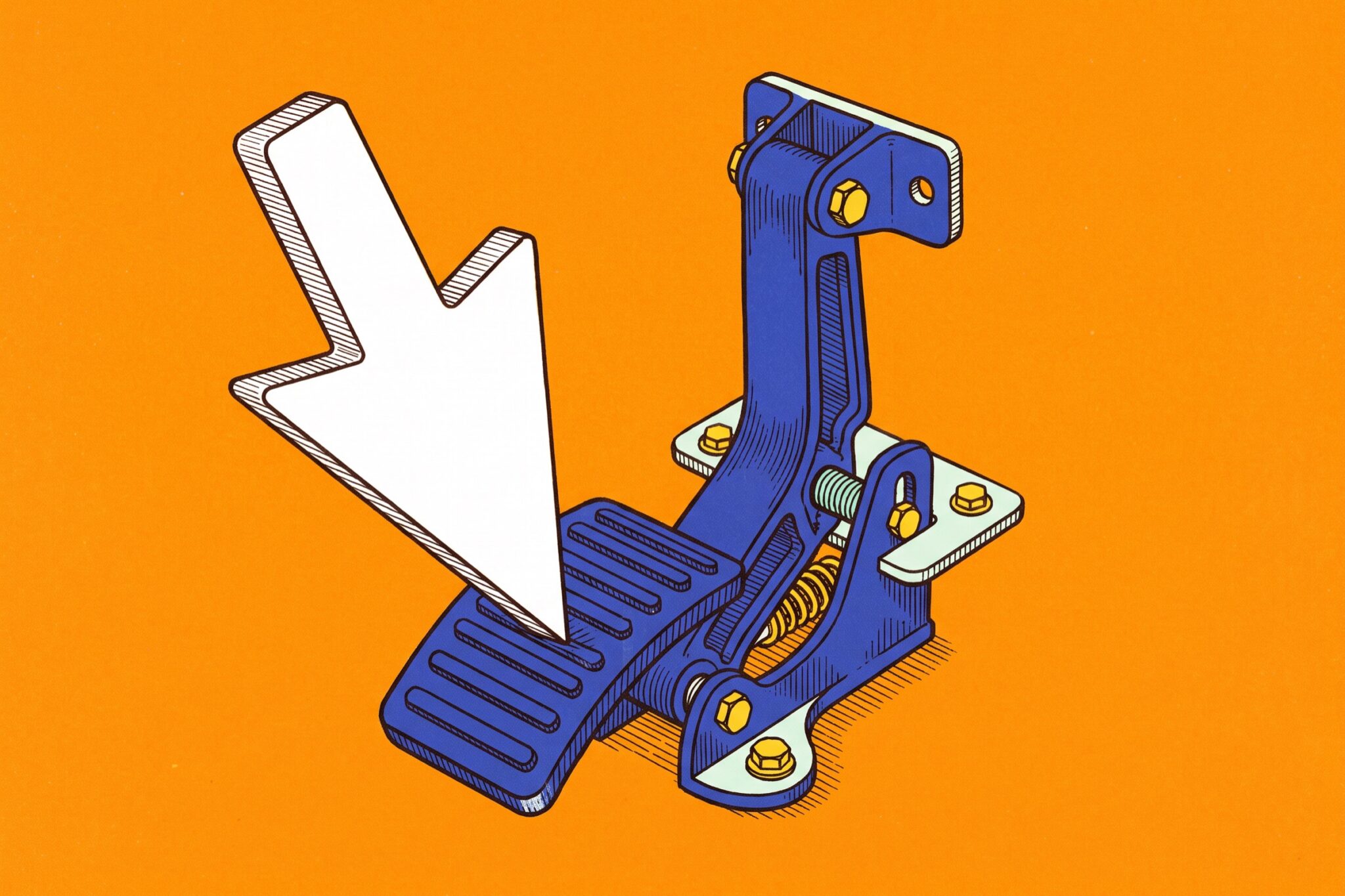 Most clients describe SUA as a one-time scare. In many cases, it happens again. And again. The dealer inspects the vehicle, finds no fault codes, and returns the keys. Weeks later, the car surges forward at a red light or accelerates through a parking garage. That cycle, the defect recurring and the dealer failing to reproduce or fix it, is precisely what the Texas lemon law is designed to address.
Under the Texas Occupations Code (Chapter 2301), a new motor vehicle qualifies as a lemon when a defect substantially impairs the vehicle’s use or market value, and the manufacturer has been given a reasonable number of attempts to repair it.
Texas defines that threshold as four repair attempts for the same defect, two attempts for a defect likely to cause death or serious bodily injury, or the vehicle being out of service for 30 or more days.
An acceleration defect that the dealer cannot replicate still counts. Document every visit. Save every repair order, even when the technician writes “no fault found.”
Why “No Fault Found” Does Not End Your Claim
Dealers rely on diagnostic code readers that only log faults when the ECU records them in real time. Intermittent electronic throttle control problems often do not leave stored codes. That does not mean the defect failed to occur. It means the dealer’s testing did not capture it.
Specifically, electronic systems related to throttle, brake-throttle interaction, and cruise control modules have been identified in NHTSA complaints as producing intermittent failures that escape standard diagnostics. Texas lemon law hearings consider the totality of evidence, not just the dealer’s service notes.
How Texas Defines a “Substantial Impairment”
The phrase matters. A defect does not have to render the vehicle completely inoperable to qualify. Sudden unintended acceleration compromises the vehicle’s safety and, by extension, its value and use. If you have stopped driving the car, if you avoid highways, or if you have rented a replacement vehicle because you no longer trust it, those facts support a finding of substantial impairment under the Texas Lemon Law.
In contrast, a rattle in the door panel may not rise to that level. SUA almost always does.
The Most Common Causes of SUA and What They Mean for Your Case
Manufacturers have offered varying explanations for unintended acceleration incidents over the decades. Some attribute events to driver error. Others have acknowledged mechanical or electronic causes. Understanding the actual mechanism behind your vehicle’s behavior shapes how we approach the claim.
Electronic Throttle Control Failures
Electronic throttle control failures can cause sudden unintended acceleration when the system opens the throttle without pedal input. Modern vehicles use drive-by-wire throttle systems with no physical cable between the accelerator pedal and the throttle body, so the signal travels electronically. When sensors malfunction or firmware behaves unexpectedly, the throttle can open on its own.
Multiple automakers have issued technical service bulletins or recalls tied to electronic throttle systems. If your vehicle falls within a recall population, that can move your claim along faster.
Floor Mat Entrapment
Floor mat entrapment causes sudden acceleration when an unsecured mat slides forward and traps the accelerator pedal in a depressed position. This cause drew national attention after Toyota’s large-scale floor mat recall. The fix sounds simple, but if a dealer installed aftermarket mats or failed to secure the original mats during prior service, responsibility can shift to the dealership.
Brake-Override System Gaps
Most newer vehicles include brake-override logic that cuts the throttle when both the brake and accelerator are pressed at once. Some systems implement this logic inconsistently, particularly in hybrid drivetrains where regenerative braking interacts with the throttle management system. The primary reason these failures are underreported is that drivers assume they did something wrong.
Software and Firmware Defects
Over-the-air software updates have introduced new failure modes in modern vehicles. A firmware update to the powertrain control module (PCM) can introduce unintended throttle behavior. The Lemon Law does not distinguish between hardware and software defects. If the vehicle’s software causes it to behave in a way that impairs safety, it qualifies.
How Texas Lemon Law Actually Works for SUA Claims
The Texas lemon law process runs through the Texas Department of Motor Vehicles (TxDMV), not through the civil courts. That distinction matters for timing, cost, and outcome.
Step 1: Notify the Manufacturer in Writing
Before filing a complaint with TxDMV, you must notify the manufacturer directly in writing and give them one final opportunity to repair the defect. Most manufacturers have a customer assistance center for this purpose. Keep copies of everything you send and every response you receive.
Step 2: File a Complaint with TxDMV
After the final repair attempt (or after the manufacturer fails to respond), you file a complaint with the Texas DMV Motor Vehicle Division. The filing window generally applies to vehicles within their first 24 months of service or the first 24,000 miles, whichever comes first. The lemon law presumption kicks in when the repair threshold is met within that period.
Step 3: Attend the Hearing
A TxDMV hearings examiner reviews the complaint, hears from both sides, and issues a decision. If you prevail, the manufacturer must replace the vehicle or repurchase it. The repurchase amount accounts for the original purchase price, taxes, and fees, minus a usage offset calculated by mileage at the time of the first repair attempt.
Step 4: Know When to File a Warranty Claim Instead
If your vehicle falls outside the lemon law statutory period, the Magnuson-Moss Warranty Act may still provide a path. This federal statute applies to written warranties and allows consumers to pursue warranty breach claims in federal court. The standard differs from the Texas lemon law, but the outcome can be similar: repurchase, replacement, or repair at no cost.
Texas-Specific Realities That Shape SUA Lemon Law Claims
Texas is a high-mileage driving state. Commuters in the Austin metro log significant miles on I-35, MoPac, and US-183 corridors where highway speeds are sustained for long stretches. SUA incidents at highway speed carry a different level of danger than parking lot events. Texas lemon law hearings examiners are not indifferent to that context.
Additionally, Texas has one of the largest vehicle markets in the country. Dealers move high volumes, and service departments face pressure to close tickets quickly. That commercial pressure is a real factor in why so many SUA complaints come back as “no fault found.” The service bay simply does not have the time to replicate an intermittent event through extended road testing.
We represent clients throughout Central Texas. For example, if your vehicle was purchased through an Austin-area dealership and the defect occurred on Texas roads, your claim has specific procedural and geographic factors that matter in how we build it.
Ask The Lemon Lawyers
Does the Texas lemon law apply if my car is leased, not purchased?
Yes. Texas lemon law covers leased vehicles. The lessee has the same rights as a purchaser. If the vehicle qualifies, the remedy may be a replacement vehicle or a lease cancellation with a refund of payments made.
What if my dealership keeps telling me they cannot reproduce the acceleration problem?
A “cannot reproduce” result does not disqualify your claim. It means the dealership’s technicians tested your vehicle but could not recreate the specific defect you reported. When that happens, we document the pattern of complaints, the dealer’s failure to resolve the issue, and any NHTSA complaint data for your vehicle model. Hearing examiners weigh circumstantial evidence, not just the dealer’s service notes.
My car is two years old and has 28,000 miles. Did I miss the lemon law window?
Possibly, but not necessarily. The statutory presumption period is the first 24 months or 24,000 miles. However, the Magnuson-Moss Warranty Act may still apply, and manufacturers’ extended warranties may also extend the coverage window. Call us to review the timeline for your specific situation.
Can I keep driving the car while my lemon law claim is pending?
Yes. There is no requirement to return the vehicle before a decision is issued. However, documenting any additional incidents while the claim is pending strengthens your position.
Will filing a lemon law claim hurt my credit or auto financing?
No. The lemon law process does not affect your credit report. If the vehicle is repurchased, your loan or financing is paid off through the repurchase transaction.
Practical Guidance: What to Do After a SUA Incident in Texas – Developing a Checklist
A single incident may not trigger lemon law protections. But your response to that incident starts building the record that matters.
- Write down what happened as soon as you are safely stopped, including date, time, location, speed, road conditions, and exactly what the vehicle did.
- Bring the vehicle to the dealership within 48 hours. Do not delay the service visit, even if you believe nothing will show up in diagnostics.
- Request a copy of every repair order, including those that note no fault found.
- Search the NHTSA complaints database at nhtsa.gov to see if other owners of your vehicle model have reported the same behavior.
- Consider sending a written notification to the manufacturer’s customer assistance center after your second visit for the same issue.
- Consult with a Texas lemon law attorney before your third repair attempt. Early involvement gives us time to review the record before the statutory window closes.
Many claimants find it helpful to keep a dated log in their phone notes app after every dealership visit. The log does not need to be formal. A timestamp, a summary of what the service advisor said, and a photo of the repair order do the job.
What The Lemon Lawyers Look for in an SUA Case
Every sudden unintended acceleration case we evaluate involves four questions.
- First, does the defect fall within the statutory period?
- Second, has the manufacturer been given the required number of repair opportunities?
- Third, does the defect substantially impair the vehicle’s use, value, or safety?
- And fourth, is there any documentation, including NHTSA complaints, technical service bulletins, or prior recalls, that corroborates the owner’s experience?
When all four line up, these cases move. When they do not all line up, we still explore warranty claims, manufacturer dispute resolution programs, and negotiated repurchase agreements outside the formal lemon law process.
We take lemon law cases on contingency in Texas. That means you pay nothing unless your case results in a recovery.
Your Next Move Should Not Be Another Dealer Visit
Don’t keep driving a car you can’t safely count on to get you where you are going. You bring the car in. They inspect it. They hand it back. You drive nervously. The acceleration event happens again. You bring it back. The cycle continues until your warranty expires, leaving you with a vehicle you no longer trust.
That cycle is not inevitable. The Texas Lemon Law and federal warranty law create hard stops in that process when you know how to use them.
When One More “No Fault Found” Is One Too Many
 Call The Lemon Lawyers at (512) 387-3510. We review SUA cases at no charge and handle lemon law claims on a contingency basis. You can also reach us through our contact form by sending your repair orders and vehicle information. We will tell you honestly what we see and whether you have a path forward.
The call costs nothing. The information is yours to keep either way.