

Many Texas drivers face long commutes, extreme heat, and heavy truck traffic. These types of driving conditions can quickly expose new models’ weaknesses and turn them into costly “lemons.” If you live in Texas and are seeking a new vehicle, it’s imperative to review the cars to avoid in 2026.
Many 2026 vehicles feature first‑generation EV drive trains and complex software. Those cutting‑edge systems are already showing higher problem rates than simpler gasoline models. Knowing which patterns to watch for and how the Texas lemon law works can help you decide when it is time to talk with The Lemon Lawyers about your rights.
Key Takeaways: Texas Lemon Laws and Cars to Avoid in 2026
- Many 2026 models with all‑new platforms, EV systems, and advanced software are projected to be less reliable, with more issues in batteries, electronics, and infotainment.
- Consumer Reports’ least reliable 2026 list includes models such as the Chrysler Pacifica Hybrid, electric cars like the Kia EV9, and the forward-designed pick-up like the Rivian R1T.
- Texas drivers should be especially cautious with new trucks and SUVs that will see hard use in heat, heavy towing, or oil‑field and ranch work, where design flaws show up faster.
- The Texas Lemon Law generally covers new vehicles within the first 24 months or 24,000 miles (whichever comes first), if they have warranty‑covered defects that the manufacturer cannot fix after reasonable attempts.
- Warning signs of a potential lemon include repeat repairs for the same defect, long periods in the shop, and serious safety problems with brakes, steering, or high‑voltage EV components.
- The Lemon Lawyers can help Texas owners pursue refunds, replacements, or other remedies through the Texas Department of Motor Vehicles’ lemon law process when a 2026 vehicle meets the legal lemon law criteria.
2026 Models Texans Should Approach Carefully
While no one can guarantee that a particular 2026 vehicle will be a lemon, national reliability data already highlight models with elevated problem risks that Texas buyers should scrutinize. These risks often increase under Texas conditions such as long highway runs between cities, stop‑and‑go traffic in Houston and Dallas–Fort Worth, and high temperatures in places like Austin, San Antonio, and the Rio Grande Valley.
For 2026, Consumer Reports and other sources flag several problem‑prone models:
EVs and plug‑in hybrids with complex systems
- A Consumer Reports analysis of the least reliable 2026 models lists multiple EVs and PHEVs, including the Chrysler Pacifica Hybrid, Honda Prologue, Kia EV6, Kia EV9, Mazda CX‑90 (gas and PHEV), and Genesis GV60, all with low predicted reliability scores. Trouble spots include EV batteries, charging systems, drive motors, in‑car electronics, and climate systems; components that are heavily stressed by Texas heat and long‑distance driving.
Rivian R1T and new‑tech trucks
- The Rivian R1T, popular with tech‑forward truck buyers, appears near the bottom of 2026 predicted reliability rankings due to problems in its EV battery, motors, suspension, climate system, and body hardware. For Texans who use trucks for towing boats to the Gulf Coast, hauling livestock, or traversing rough ranch roads, these issues can make downtime and repeated repairs especially disruptive. While you may be lured in by highlights like a Quad-Motor 1,000+ hp system, you still need to consider the drawbacks.
GMC Acadia and complex SUVs
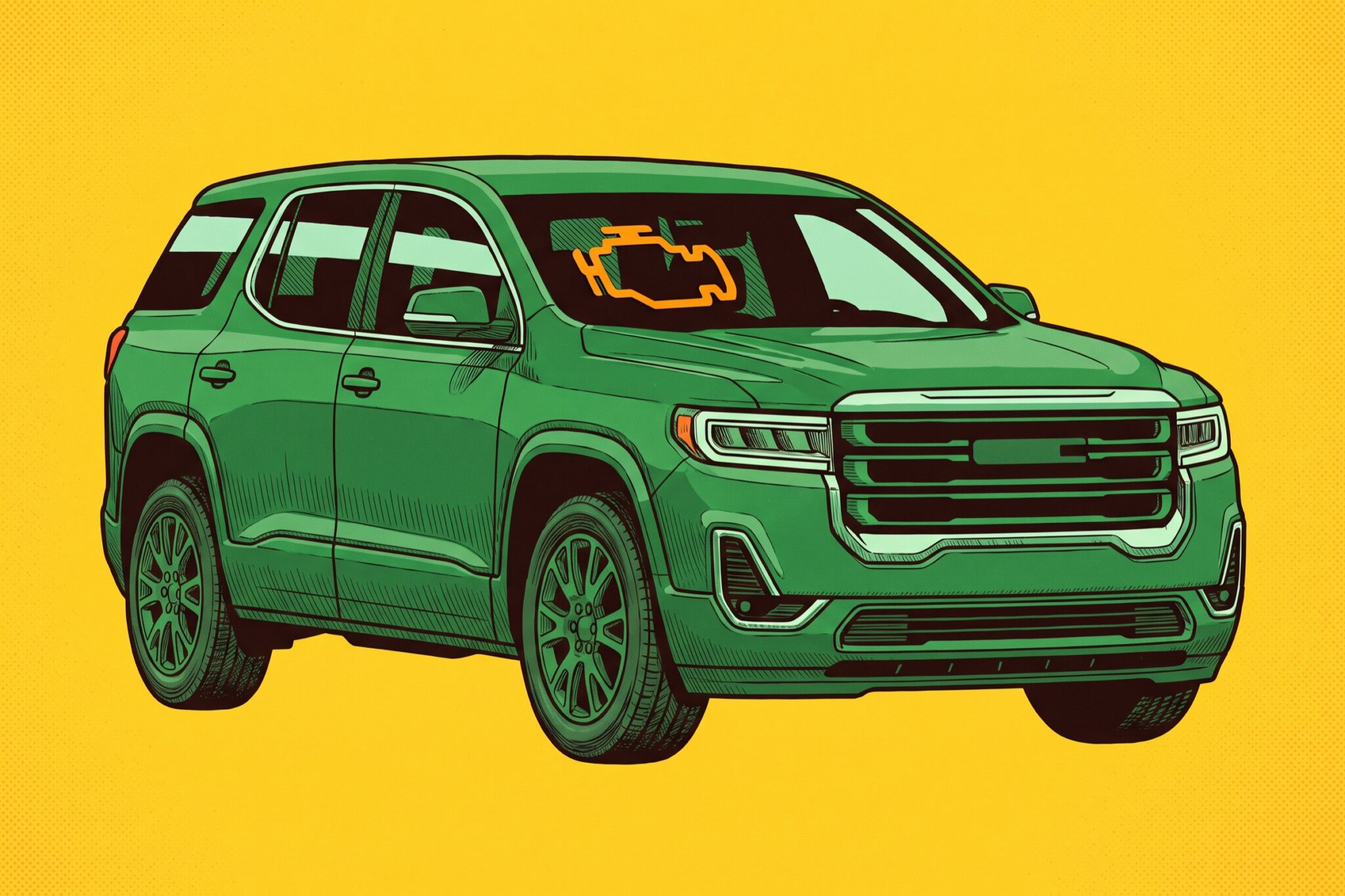
- The 2026 GMC Acadia is listed as one of the least reliable models, with serious trouble spots in transmission, brakes, electrical accessories, and in‑car electronics. Families in cities like Houston or Dallas relying on the Acadia for daily school and freeway duty may face frequent service visits if these issues are not resolved.
For any 2026 vehicle, Texas shoppers should compare these findings with their own needs: heavy towing in West Texas, dense traffic in Austin, or regular trips along I‑35 can magnify weaknesses that might be less noticeable in milder climates. Before buying, check NHTSA recall and complaint databases and independent reliability rankings, then ask The Lemon Lawyers if a specific model has patterns that could become a lemon case under Texas law.
How the Texas Lemon Law Works
 Texas has a specific Lemon Law designed to protect buyers of new vehicles that develop severe, warranty‑covered defects that the manufacturer cannot repair within a reasonable time. The program is administered by the Texas Department of Motor Vehicles (TxDMV). It applies statewide, whether the problem vehicle spends its time on I‑10 in Houston, ranch roads near Lubbock, or city streets in El Paso.
Key features of the Texas Lemon Law include:
Eligible vehicles and time limits
- The law generally covers new cars, trucks, vans, motorcycles, motor homes, towable RVs, and certain neighborhood electric vehicles purchased or leased from a Texas dealer, as long as they are under the manufacturer’s written warranty. A complaint must usually be filed within the first 24 months of ownership or 24,000 miles, or within 6 months after whichever comes first, which is critical for high‑mileage drivers who rack up miles quickly commuting between Texas cities.
Reasonable number of repair attempts / 30‑day test
- Texas uses standards such as the “four‑times test” (four repair attempts for the same defect), a “serious safety‑hazard test,” and a “30‑day test,” where the vehicle is out of service for 30 or more cumulative days for warranty repairs within the relevant period. If a 2026 vehicle repeatedly fails in any of these ways, it may qualify as a lemon, primarily if the defect affects use, value, or safety.
Remedies: refund, replacement, or repair
- When TxDMV finds that a vehicle is a lemon, it can order a refund (the manufacturer repurchases the car with a mileage offset), a replacement vehicle comparable to the original, or additional repairs and reimbursement for certain expenses. For Texas owners dealing with a defective 2026 vehicle, The Lemon Lawyers can help prepare evidence for the TxDMV process and pursue the best remedy available.
Patterns That Suggest a Lemon in Texas
Several real‑world patterns are strong signs that a new 2026 vehicle in Texas might be a lemon rather than just “buggy.” These patterns are fundamental when the vehicle is your primary transportation in large metropolitan areas like Houston, Dallas–Fort Worth, San Antonio, or Austin, where losing your car for weeks can seriously disrupt work and family life.
Common warning patterns include:
Repeat repairs for the same defect: If your 2026 vehicle goes back to the dealer several times for the same issue, such as a stalling engine, transmission hesitation, charging failures, or persistent warning lights, that repetition is central to lemon analysis. Texas standards, such as the “four‑times test,” specifically look for repeated unsuccessful repair attempts for the same problem.
Excessive days in the shop: Texas’s “30‑day test” considers whether a new vehicle spends 30 or more cumulative days in the shop for warranty repairs during the first 24 months or 24,000 miles. For Texas drivers who depend on their trucks and SUVs for work, being without a vehicle for that long can be a key trigger for seeking lemon remedies.
Safety‑related failures: Defects that create a serious safety hazard, such as failures in steering, braking, airbag systems, or high‑voltage EV batteries, can support a faster lemon finding under Texas law. In a state with high‑speed interstates and frequent severe weather, these safety failures are hazardous and should not be ignored.
Early recalls and complaint clusters: When a 2026 model quickly accumulates National Highway Traffic Safety Administration (NHTSA) complaints or triggers multiple recalls, that pattern can indicate a systemic defect rather than isolated bad luck. Texas car owners should track recall notices and keep copies of repair orders, as this documentation is critical in TxDMV lemon hearings and negotiations handled by firms like The Lemon Lawyers.
Recent “Lemon‑History” Models and Why They Matter in Texas
Studying models with prior lemon‑like histories helps Texas buyers understand which designs or systems may be risky when carried into 2026. Even if a model is lightly updated for 2026, patterns of past engine, transmission, or electrical issues can resurface, especially under the Texas heat and long‑distance use. The Federal Trade Commission (FTC) offers additional advice and guidance on owning, leasing, and buying a vehicle.
Examples from recent years include:
Chrysler Pacifica Hybrid
- The Pacifica Hybrid has shown repeated problems in engine, transmission, in‑car electronics, and EV battery and charging systems, putting it on the least reliable list for 2026. In Texas cities where minivans handle daily carpools plus summer road trips in high heat, that combination of trouble spots can quickly turn into a long series of service visits.
Kia EV6 and EV9
- According to USA Today, EV crossovers have documented issues with EV batteries, motors, charging hardware, climate systems, brakes, and body hardware. Texas EV owners who rely on fast charging along I‑35 or I‑45 and run air conditioning nearly year‑round could feel these defects more intensely than drivers in cooler regions.
Mazda CX‑90 (gas and PHEV)
- Reports highlight engine problems (including timing chain concerns), transmission issues, steering and brake troubles, and multiple electronic glitches. For Texas families choosing the CX‑90 as a three‑row highway cruiser between cities like Houston, San Antonio, and Corpus Christi, such problems can undermine both comfort and safety.
Genesis GV60 and Rivian R1T
- USA Today also reports that the Genesis GV60 and Rivian R1T illustrate how first‑wave EVs can suffer from battery, charging, drive system, suspension, and hardware issues that lead to complex, time‑consuming repairs. Texans using these vehicles for long‑range travel, camping in the Hill Country, or towing in West Texas may face more frequent and more serious inconveniences from these defects.
Any Texas buyer considering a 2026 version of these vehicles should factor in this lemon‑history pattern, cross‑check VINs for open recalls, and discuss options with The Lemon Lawyers before committing.
FAQs: Cars to Avoid in 2026 and Texas Lemon Laws
How does the Texas Lemon Law differ from those in other states?
In 10 motor vehicle complaints, resolutions are handled directly through the Texas Department of Motor Vehicles (TxDMV). This state agency operates a structured administrative process to address disputes under the 2026 vehicle lemon law. This comprehensive resolution path begins with the submission and initial review of the official complaint.
What Happens After the Review?
Following the review, the TxDMV process incorporates a mandatory mediation phase. This step is intended to facilitate a settlement between the consumer and the manufacturer or dealership, with assistance from a neutral third party, often avoiding the need for more formal litigation. If mediation fails to yield a resolution, the dispute then proceeds to a formal hearing. An administrative law judge presides over the hearing. They review the evidence and testimony from both parties before issuing a binding decision.
This administrative structure is a distinguishing feature of Texas lemon law enforcement. This centralized, administrative approach provides a streamlined, state-governed mechanism for resolving 2026 vehicle lemon law issues.
Does the Texas Lemon Law cover used vehicles?
The Texas Lemon Law primarily covers new vehicles purchased or leased from a Texas dealer. However, it can sometimes apply to used cars that are still covered by the original manufacturer’s warranty and meet the timing requirements. Used vehicles sold “as is” or with only a dealer warranty or service contract are generally not protected under the Texas Lemon Law. However, other consumer‑protection remedies might still be available.
What should I do if I think my 2026 car is a lemon in Texas?
Texans who suspect they bought a lemon should promptly report all problems to the dealer, insist on written repair orders, and keep records of every visit, each day in the shop, and all communications with the manufacturer. Once it appears that the vehicle meets the Texas repair‑attempt or 30‑day standards, contacting The Lemon Lawyers to evaluate the case and file a TxDMV complaint within the strict time limits is critical.
Contact the Lemon Lawyers If Your Texas Vehicle is Not Running Properly
 When considering cars to avoid in 2026, you need to research vehicles carefully. If you’re experiencing a “lemon” problem, contact The Lemon Lawyers when your shiny 2026 vehicle turns into a serious, ongoing problem